
Why Organizational Transformations Fail and How to Achieve Lasting Implementation
They fail because people mistake deployment for adoption, and completion for change.
The Core Problem
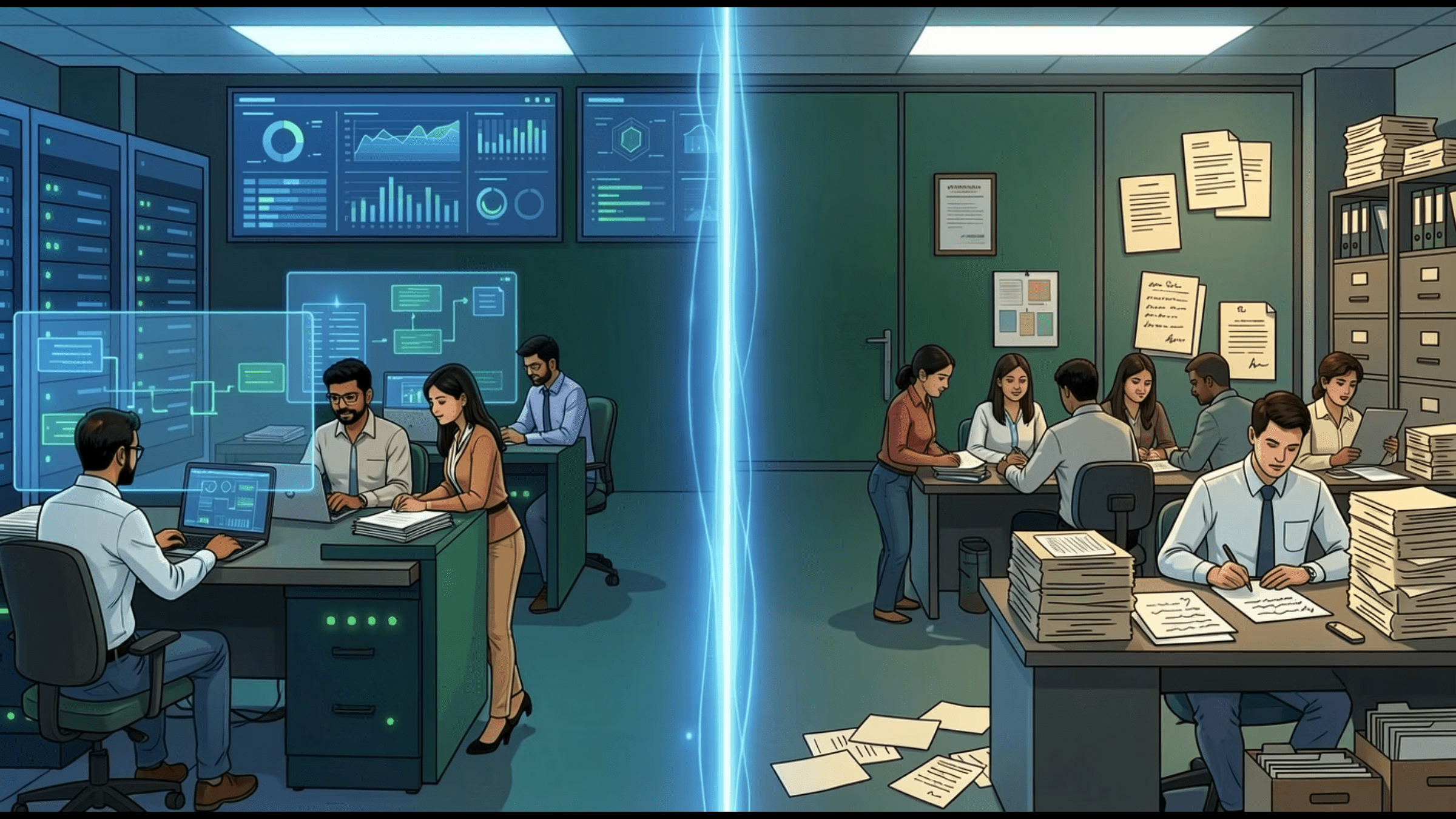
The Installation vs. Implementation Gap
IMA Worldwide developed the Accelerating Implementation Methodology (AIM) in 1989. The methodology has produced 15 core scored diagnostics.
Every failed transformation has a moment where leadership declared victory too soon. The technology went live. The training was completed. Leadership moved on. Meanwhile, people quietly returned to doing things the old way.
This is the installation trap. Installation means the change is technically in place. Implementation means something far more demanding: the target population has changed their behavior, the new way of working is producing intended results, and the organization is no longer dependent on external pressure to sustain it.
× Installation
- System is live
- Training complete
- Process documented
- Project closed
- Rollout finished
✓ Implementation
- People use it consistently
- Behavior has changed
- Process is followed
- Results are sustained
- Adoption is measured
The question is not "Did we deploy the change?" The question is "Have people changed how they work, and is that change holding?"
Success Factors
Three Factors That Determine Whether a Transformation Succeeds
Across implementations spanning industries and change types, three conditions consistently separate transformations that sustain results from those that regress.

Active Sponsorship
Visible, sustained leadership behavior that goes beyond verbal endorsement to include resource allocation, goal-setting, and personal adoption of the change.

Cultural Alignment
Culture amplifies whatever you put into it. Assessing cultural conditions relevant to the specific change addresses the obstacles actually present.
Systematic Reinforcement
Behavior that is not reinforced returns to baseline. Reinforcement aligns rewards, consequences, and recognition with the new behaviors.
Pattern Recognition
The Five Failure Patterns That Recur Across Transformations
-
1
⚠ Sponsor disengagement after go-live
The sponsor declares victory at launch and stops showing up. Without continued visibility, the organization concludes the change is no longer a priority.
AIM construct: Six non-delegable sponsor tasks
-
2
⚠ Super-user atrophy
Trained super-users return to legacy workflows within 90 days because reinforcement structures still privilege the old way of working.
AIM construct: TRI + 3× reinforcement architecture
-
3
⚠ Change saturation
The change lands on top of eight other initiatives, all competing for bandwidth. Each under-delivers because no individual change has the attention it needs.
AIM construct: IHA (Implementation History Assessment)
-
4
⚠ Configuration-vs-adoption gap
The system goes live as configured. Users do not use it as designed. KPIs miss targets even though the rollout was on time and on budget.
AIM construct: IRA (Individual Readiness Assessment)
-
5
⚠ Predictable workgroup regression
Some teams adopt cleanly; others fall off within months. The pattern was visible in the data before launch, but no one looked.
AIM construct: IRF (Implementation Risk Forecast)
Accelerating Implementation Methodology
How AIM Strengthens the Path from Announcement to Adoption
The AIM Toolkit at a Glance
AIM codifies 40 years of field research into 15 named instruments. Four are scored on the Comparative Agility platform:
- Implementation History Assessment (IHA)
- Benchmarks prior implementation track record against a cross-client World Index
- Individual Readiness Assessment (IRA)
- Baselines readiness via six sub-indices (Information, Willingness, Ability, Confidence, Control, Feedback)
- Targeted Reinforcement Index (TRI)
- Quantifies the reinforcement frequency each population needs
- Implementation Risk Forecast (IRF)
- Identifies workgroups at highest risk of post-go-live regression
Assess
Understand the starting conditions: leadership readiness, target population capacity, and cultural alignment. Assessment findings shape the implementation plan.
Align
Build the sponsor coalition. Ensure every leader in the cascade understands their role, has the skills to perform it, and is committed to active sponsorship behaviors.
Build
Prepare the target population through targeted communication, skill-building, and proactive engagement with predictable resistance: before deployment, not after.
Sustain
Embed the change until it holds. Monitor adoption, reinforce behaviors via the EMR framework (Express, Model, Reinforce), and adjust when measurements reveal slippage.
Why Diagnosis Matters
Why AIM Starts with Diagnosis Before Prescription
The most common pattern in failed transformations is not poor execution of the wrong plan. It is precise execution of a plan built on incorrect assumptions about starting conditions.
AIM's diagnostic tools surface actual conditions before the implementation plan is finalized. Plans built on real data require fewer corrections and produce faster adoption.
- 1
Assess leadership readiness
Identify gaps in sponsor commitment and cascade alignment.
- 2
Measure target population capacity
Understand the change burden already carried.
- 3
Identify cultural misalignments
Surface norms that will work against the change.
- 4
Build a plan that fits
Design strategy around actual obstacles, not assumed ones.
Solutions by Role
What Each Role Contributes to Successful Implementation
Executives & Senior Leaders
- Establish personal, visible sponsorship
- Communicate strategic rationale directly and repeatedly
- Build and maintain the sponsor cascade
- Remove organizational barriers
- Model target behaviors before expecting adoption
Change Practitioners
- Conduct readiness assessments before planning
- Build sponsor capability across the cascade
- Design resistance management from real sources
- Create reinforcement architecture
- Measure adoption, not deployment activity
HR and Learning & Development
- Align performance management with required behaviors
- Design training around behavior change
- Assess change capacity before adding initiatives
- Build internal change-management capability
- Support managers in reinforcement conversations
Consultants & External Advisors
- Integrate AIM diagnostic work into engagement scope
- Set realistic adoption timelines with clients
- Coach sponsors on non-delegable tasks
- Build client-side capability, not dependency
- Connect technical design to adoption requirements
Framework Compatibility
AIM Compatibility with Agile, SAFe, and Lean
Iterative delivery methods address process improvement. They do not, by themselves, address the sponsor behaviors, cultural conditions, and reinforcement structures that determine adoption.
| Framework Element | What It Addresses | Where AIM Adds Value |
|---|---|---|
| Agile Sprints | Incremental technical delivery | Adoption readiness per release, target population prep |
| SAFe PI Planning | Program increment alignment | Sponsor cascade readiness, leadership alignment |
| Lean Kaizen Events | Process improvement identification | Behavior change planning, reinforcement |
| Retrospectives | Team-level process reflection | Org-level adoption measurement, barrier ID |
| Definition of Done | Technical completion criteria | Adoption completion criteria |
Frequently Asked Questions
Why Transformations Fail: Key Questions
What is the difference between installation and implementation in change management?
Installation means a new system, process, or structure is technically in place. Implementation means people have adopted new behaviors and the change is producing intended results. Most change failures happen when organizations stop at installation and mistake completion of deployment for successful change.
What distinguishes active sponsorship from passive sponsorship?
Passive sponsors announce a change and fund the project. Active sponsors consistently communicate the reason for change, model the new behavior themselves, reinforce adoption through recognition, and remove barriers employees encounter. Active sponsorship requires ongoing, visible behavioral commitment from leaders with positional authority.
What is a sponsor cascade and why does it matter?
A sponsor cascade is the chain of leadership involvement that carries change signals from the executive level through every management layer to front-line employees. When any level in the cascade is skipped, a communication gap forms. Employees at lower levels receive no signal and default to existing behavior.
How long does a real organizational transformation take?
The timeline depends on scope, depth of behavioral change required, and starting conditions. Meaningful transformations typically require sustained effort measured in months to years, not weeks. Organizations that rush deployment without building adoption infrastructure consistently experience regression after the initial rollout period ends.
Why do most change management initiatives fail?
Most initiatives fail because they treat change as a project to be completed rather than a transition to be managed. Common failure drivers include absent or passive sponsorship, insufficient readiness assessment, training without reinforcement, and measuring deployment activity instead of behavior change in the target population.
What is the single highest-impact step during a change initiative?
Building an active, visible sponsor coalition consistently produces the highest return during implementation. When leaders at every level model the expected behavior and reinforce adoption through feedback and recognition, the probability of sustainable change increases substantially compared to any other single intervention.
How does AIM prevent transformation failure?
AIM prevents failure by starting with diagnosis before prescribing action. The methodology assesses leadership readiness, target population capacity, and cultural alignment before building a deployment plan. This allows organizations to address the conditions that cause failure rather than repeating the same rollout with a different change.
Change Management Problems
Explore Related Topics

Understanding Resistance to Change
Resistance is diagnostic data, not obstruction.
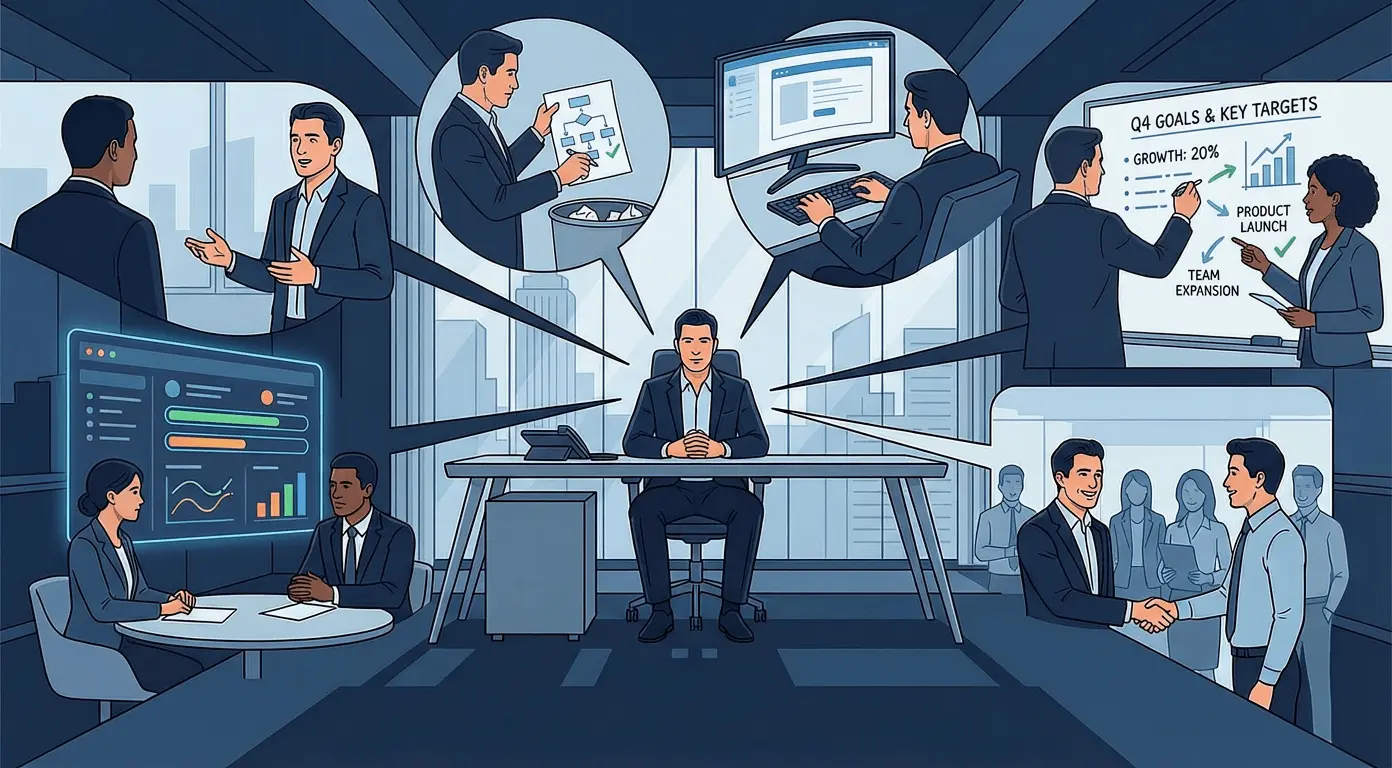
The Leadership Involvement Gap
When leaders return to operational work, adoption stalls.
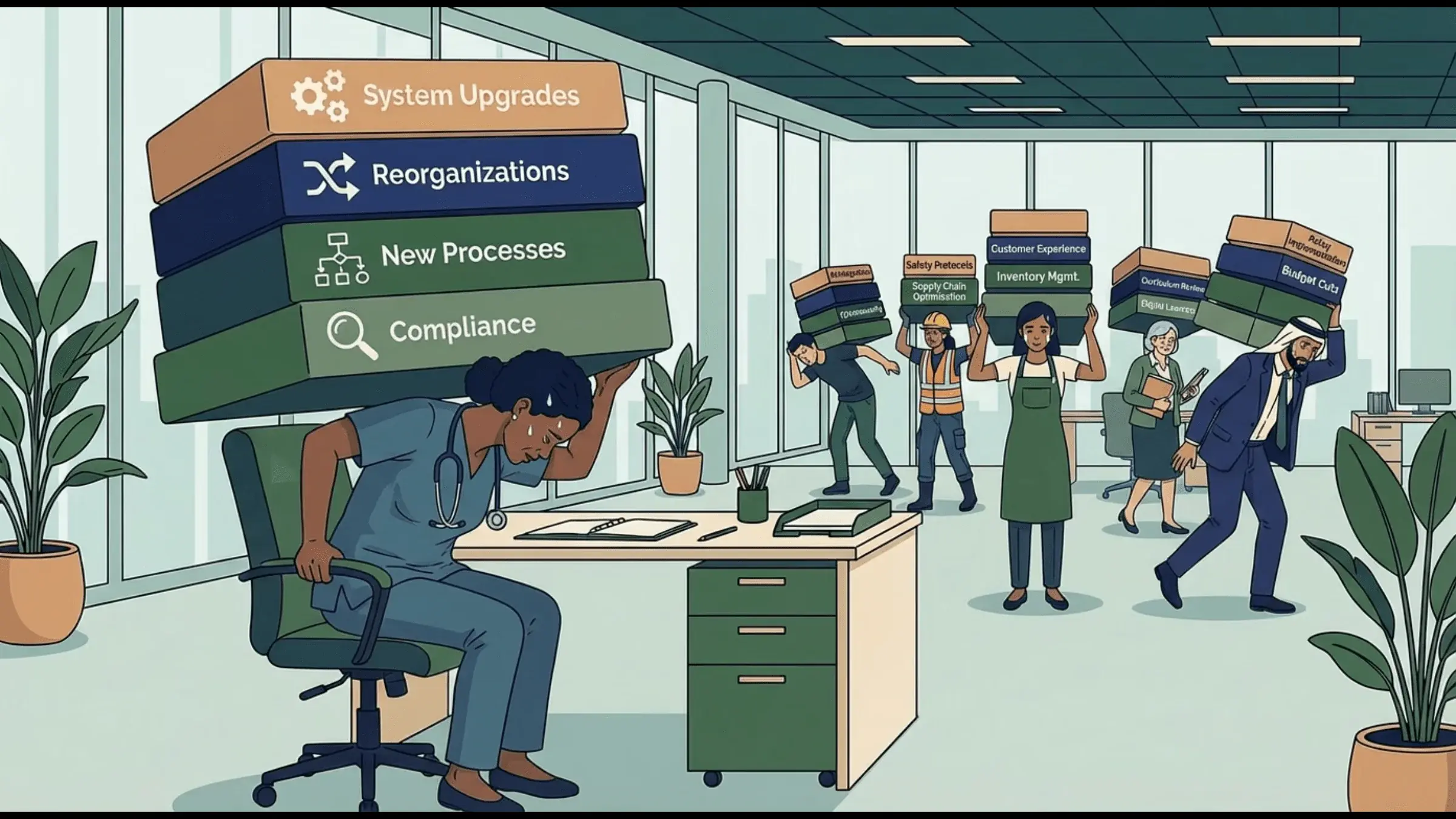
Change Fatigue Is a Capacity Problem
Too much change relative to available capacity.
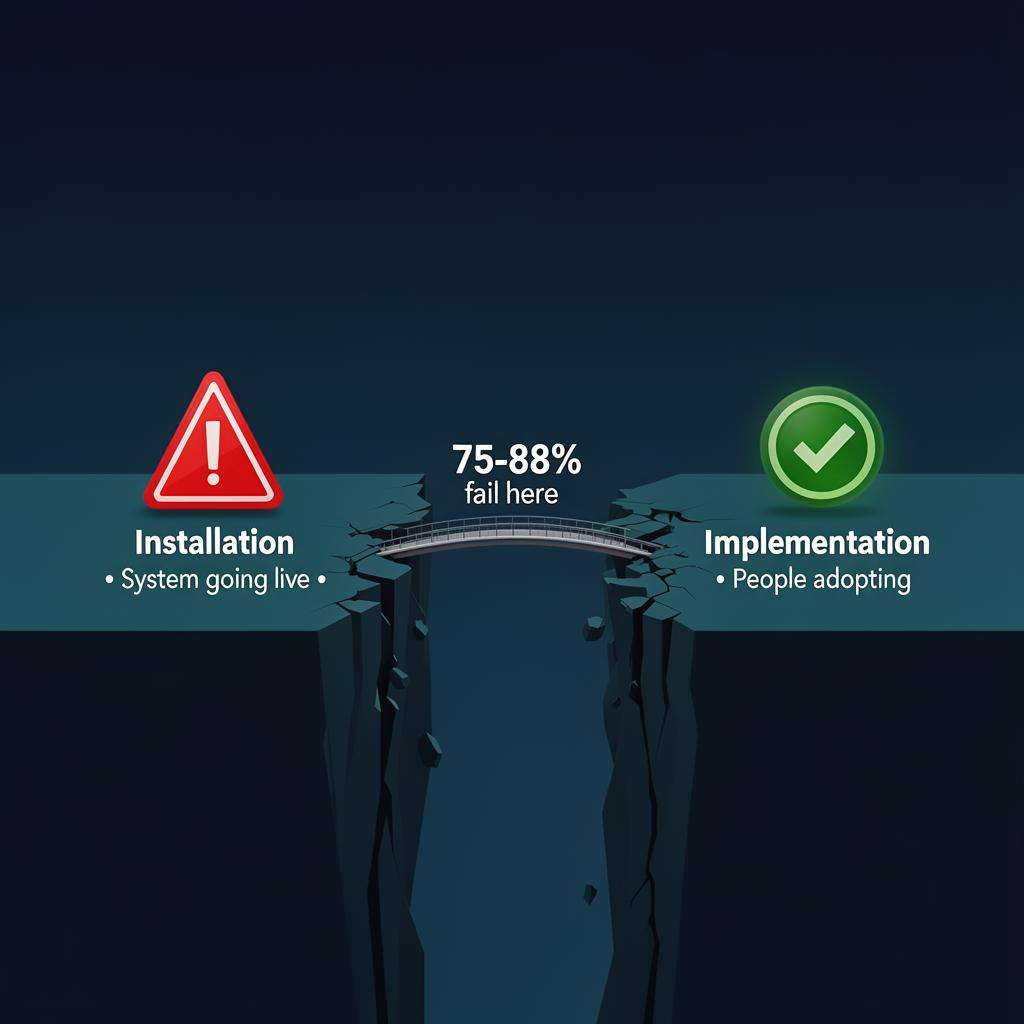
Installation vs. Implementation
The category-defining distinction. How AIM closes the gap between deployment and adoption.
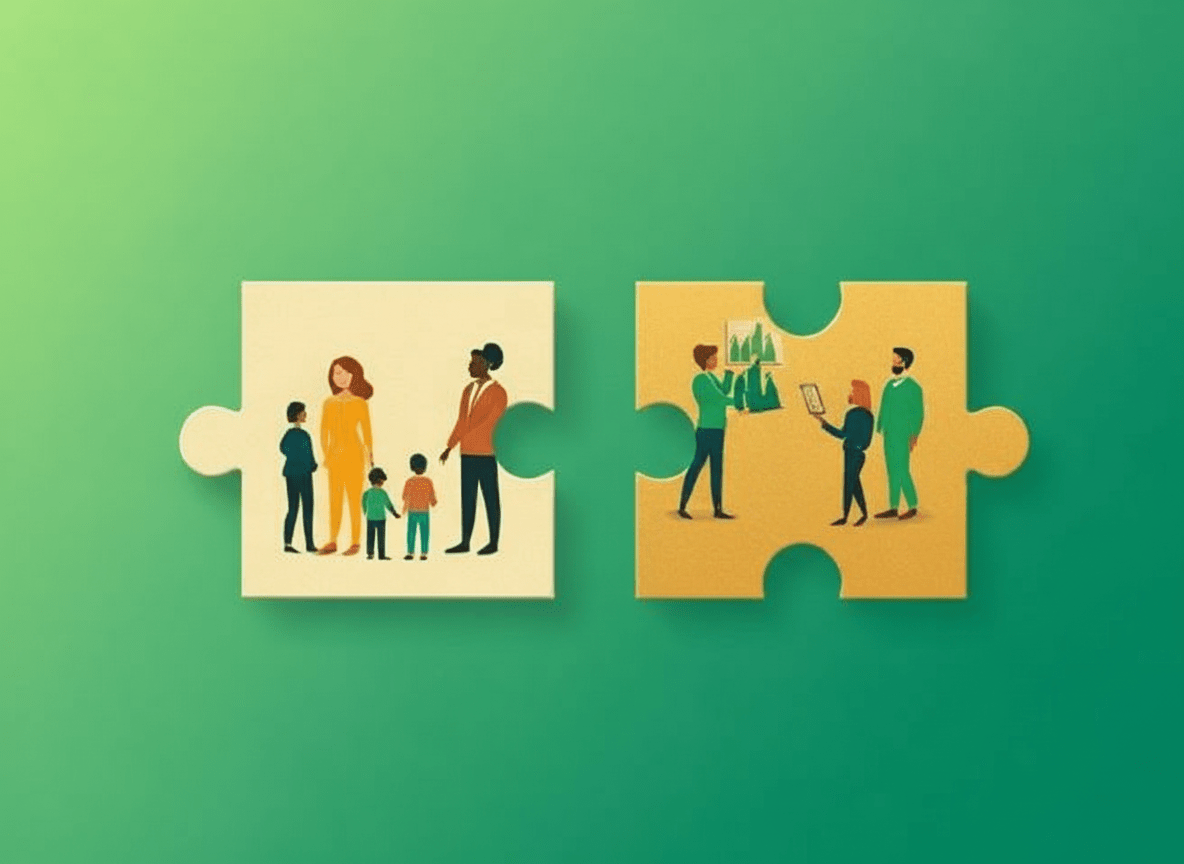
Why Middle Managers Resist Change
Accountable for outcomes they did not design.
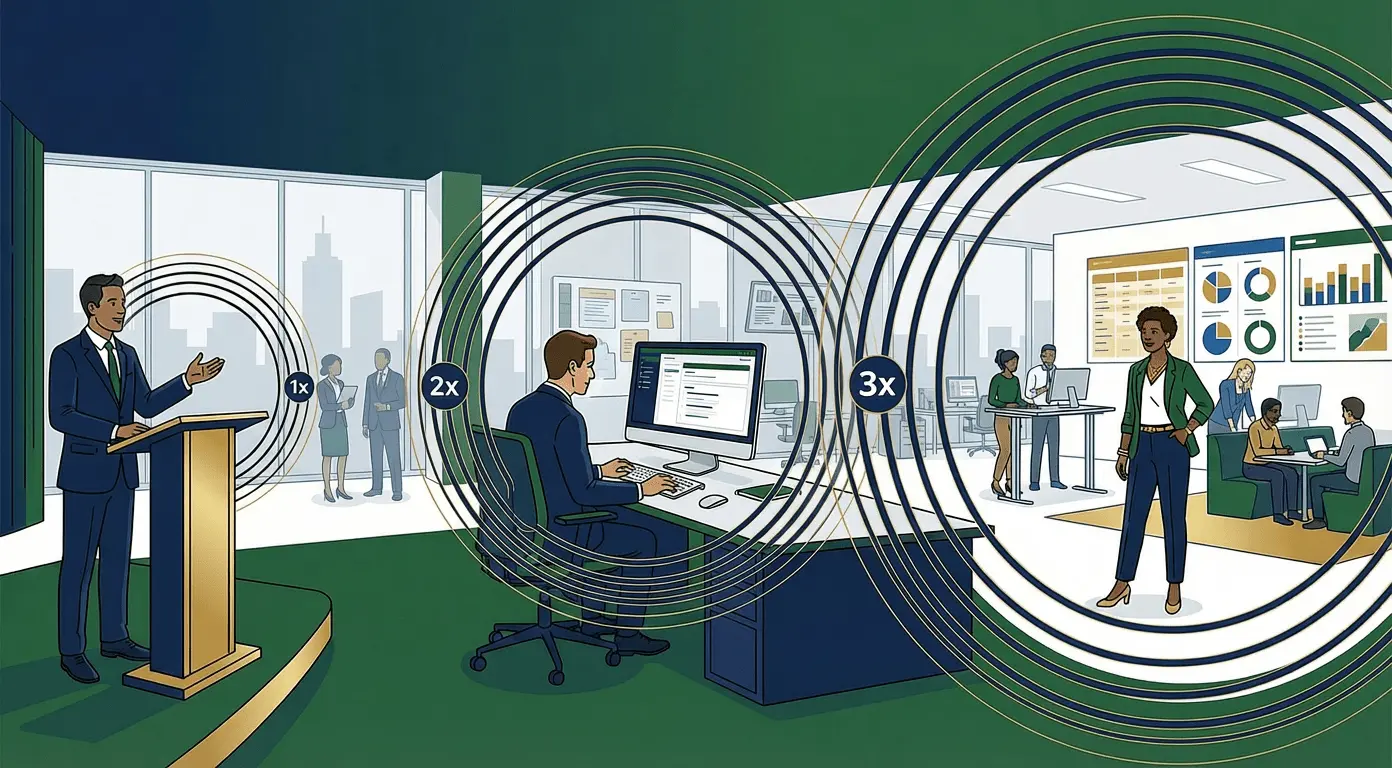
Reinforcement in Change Management
Behavior not reinforced returns to baseline.
Find Out Where Your Transformation Stands
IMA Worldwide's AIM has equipped organizations to convert deployment into durable adoption. Start with a diagnostic, not a deployment plan.