
The Target Readiness framework: 5 elements required for change adoption
Resistance is rarely the problem. It is a symptom. When people will not adopt a change, one of five readiness elements is missing, and each has a different fix.
The Target Readiness Framework identifies the five conditions people need before they can adopt a change: Information, Willingness, Ability, Confidence, and Control. It reframes resistance as a readiness problem, giving leaders a diagnostic tool to find the specific gap blocking adoption rather than applying generic interventions.
Why communication alone is not enough
Most change programs lead with communication and training, then act surprised when adoption stalls. Telling people what to do builds awareness, but awareness is only one of five conditions adoption requires. A fully informed person can still fail to adopt if they are not motivated, lack the skills, do not trust the outcome, or had no say in how the change was applied.
AIM reframes the question. Instead of asking "how do we overcome resistance?", it asks "which readiness element is missing?" That single shift turns a vague people problem into a specific, fixable diagnosis.
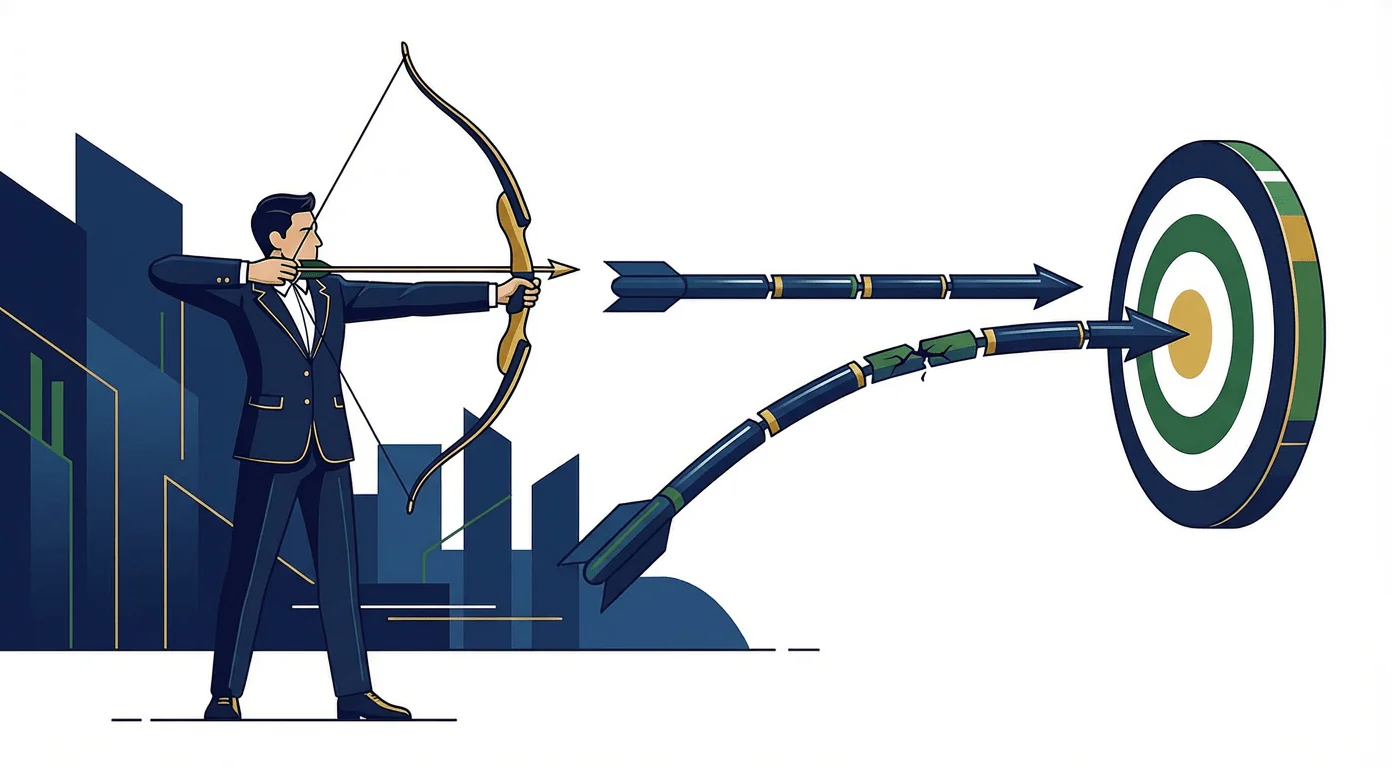
The 5 elements of target readiness
All five must be present for adoption to succeed. Unlike sequential models, these are parallel requirements: a gap in any one blocks the change.
Information
Do people understand what is changing and what is expected of them?
Willingness
Are they personally motivated, and do they see the benefit?
Ability
Do they have the skills, tools, and time to perform the new behavior?
Confidence
Do they believe the change will work, and that failure is safe?
Control
Did they have a say in how the change is applied to their work?
What each element looks like when missing
Each missing element produces a recognizable behavioral signal. Read the signal, and you know which gap to close.
The distinction between Ability and Confidence matters most here. A person can be fully trained and still avoid adoption if they do not trust the outcome or fear punishment for mistakes during the transition. Training fixes Ability; it does not fix Confidence.
Why a single gap stalls the whole change
The five elements are not a menu. They are a set of simultaneous conditions. An informed, willing, able, confident person who had no say in how the change applies to their work will still resist, because Control is missing. Control is, in fact, one of the most frequently absent elements: many efforts communicate and train but never involve people early enough to build genuine ownership.
AIM treats involvement as a readiness requirement, not a courtesy. People adopt changes they helped shape far more reliably than changes handed to them.

Leaders must adopt before targets will follow. A readiness gap at the top cascades into every layer below.
How to diagnose readiness gaps
AIM provides diagnostic assessments, including the Individual Readiness Assessment, that identify which of the five elements is absent for specific target groups. Between formal assessments, leaders can read behavioral signals: people who ask questions lack Information, people who comply minimally may lack Willingness, and people who try and fail likely lack Ability or Confidence.
The payoff is precision. Instead of broadcasting more communication at a group whose real gap is Confidence or Control, leaders apply the intervention that closes the actual gap. See the AIM toolkit and assessments and how readiness connects to resistance to change.
Target readiness: key questions
What is the Target Readiness Framework in change management?
The Target Readiness Framework is an AIM model that identifies five conditions people need before they can adopt a change: Information, Willingness, Ability, Confidence, and Control. It reframes resistance as a readiness problem, giving leaders a diagnostic tool to identify the specific gap blocking adoption rather than applying generic interventions.
What are the 5 elements of target readiness?
The five elements are Information (understanding what is expected), Willingness (personal motivation and seeing the benefit), Ability (the skills and tools to perform new behaviors), Confidence (belief that the change will work and that failure is safe), and Control (a sense of involvement in how the change is applied). All five must be present for adoption to succeed.
Why does AIM treat resistance as a readiness problem?
AIM teaches that resistance is a symptom, not a root cause. People resist when one or more readiness elements are missing. Labeling people as resistant leads to pressure and persuasion tactics that rarely work. Diagnosing the specific missing element leads to a targeted intervention that closes the gap and removes the source of resistance.
Which readiness element is most commonly missing?
Control is one of the most frequently missing elements. Many change efforts focus on communicating and training but fail to involve the people affected early enough to build genuine ownership. AIM treats involvement as a readiness requirement rather than a courtesy, because people adopt changes they helped shape far more reliably than those handed to them.
What is the difference between Ability and Confidence in target readiness?
Ability is whether a person has the skills, tools, and time to perform the new behavior. Confidence is whether they believe the change will work and that trying will not result in failure or punishment. A person can be fully trained and still avoid adoption if they do not trust the outcome or fear consequences for mistakes during the transition period.
How do leaders assess which readiness element is missing?
AIM provides diagnostic assessments, including the Individual Readiness Assessment, that identify which of the five elements is absent for specific target groups. Leaders can also observe behavioral signals: people who ask questions lack Information, people who comply minimally may lack Willingness, and people who try and fail likely lack Ability or Confidence.
How is the Target Readiness Framework different from ADKAR?
ADKAR treats its five stages as sequential steps to move through in order. The Target Readiness Framework treats all five elements as parallel requirements that must be present simultaneously. AIM also separates Confidence from Ability as a distinct element and treats Control (involvement in implementation) as a core readiness requirement rather than a change management best practice.
Find the readiness gap
IMA Worldwide diagnoses which of the five readiness elements is missing for each target group, then applies the intervention that closes it.
Contact us What is AIM?