
Change Management Consulting Built to Stick, Not Just Install
Senior AIM consultants who coach your people, embed on live transformations, and build the change capability your organization runs itself. Unlike generalist strategy consulting, IMA Worldwide's Accelerating Implementation Methodology closes the gap between installing a change and getting it adopted.
Senior practitioners who have run AIM on live enterprise transformations since 1989, not generalist strategy consultants.
Coaching at every scope of change.
Coach an individual change leader, embed practitioners on a high-stakes project, or build adoption capability across the whole enterprise.
Coaching for practitioners and leaders.
One-to-one coaching that equips sponsors, practitioners, and project leads to drive adoption on their own work.
- Sponsor coachingCoach leaders through the six non-delegable sponsor tasks.
- Practitioner & project-lead coachingOne-to-one guidance for practitioners and project leads on live work.
- Capability buildingBuild your team's change capability as the engagement runs.
Practitioners embedded on your transformation.
Senior AIM practitioners work alongside your team at every stage, diagnosing adoption risk and building the structures that carry change past go-live.
- Implementation risk assessmentScore adoption risk with the IHA and Implementation Risk Forecast before go-live.
- Adoption strategy & planningCo-create the adoption architecture and reinforcement plan with your team.
- Embedded senior practitionersSenior AIM practitioners add capacity across the transformation.
Org-wide change capability.
Build an enterprise change capability your own people run: the strategy, the standard, and the Center of Excellence behind it.
- Enterprise change strategyDevelop and align the enterprise change strategy to your goals.
- Center of Excellence designDesign and stand up an internal team that owns the methodology.
- AIM trainer coachingDevelop and coach your internal AIM trainers so your people teach and sustain the methodology in-house.
- Change maturity assessmentAssess change maturity and build the roadmap to improve it.
Consulting service lines.
The same methodology, applied to the transformations where adoption is hardest.

AI & Digital Transformation
Address adoption risk before go-live, so new systems and AI tools change the way work gets done.
Mergers & Acquisition
Manage combined-entity resistance and protect the talent value of the deal.

ERP + Technology Changes
Close the gap after a technically complete go-live, so the new platform is adopted, not just installed.

Operational Excellence
Sustain adoption across Lean, Six Sigma, and Agile programs so improvements hold.
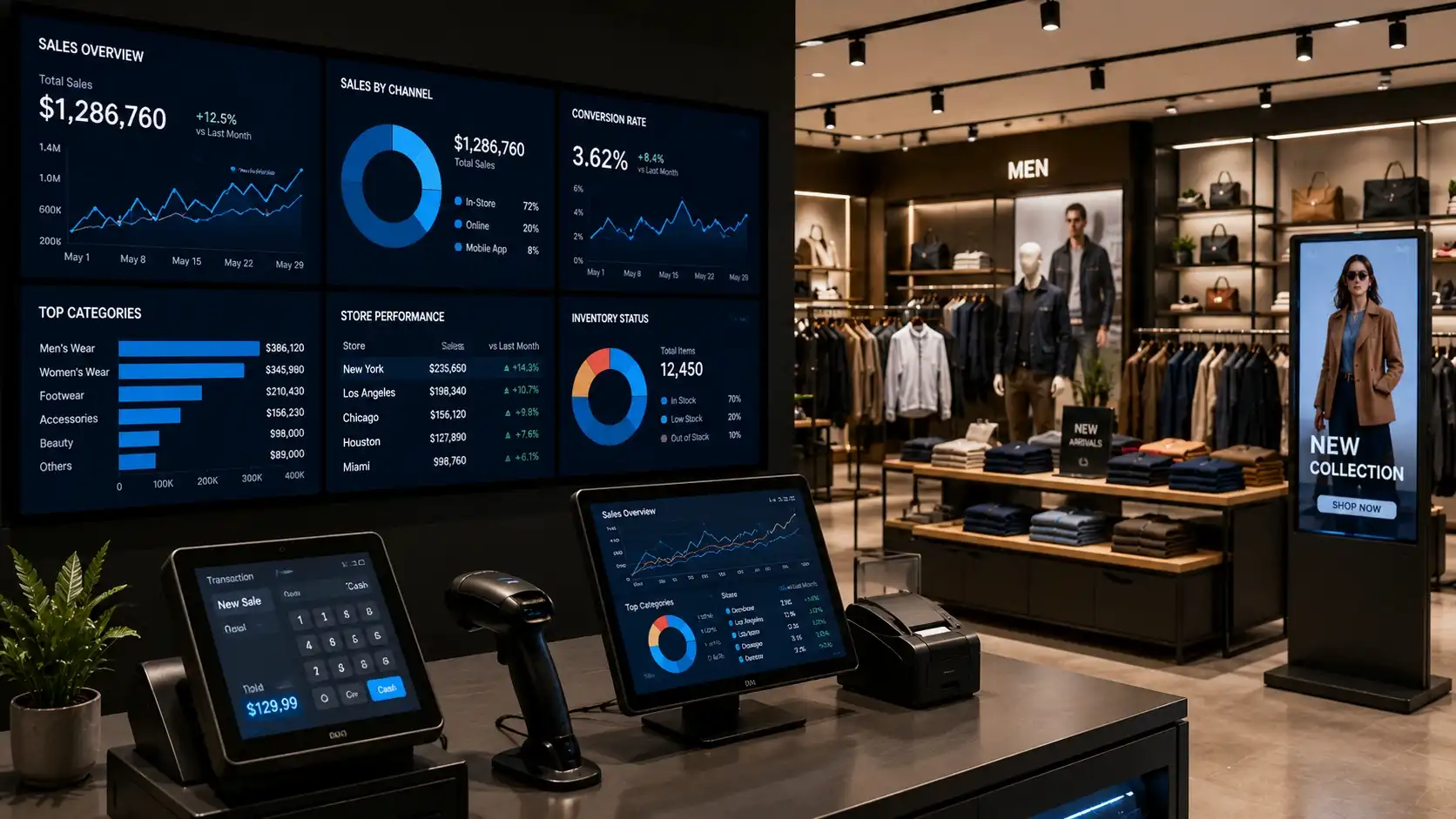
Consulting across 17 industries and five continents.
AIM consulting is applied in the sectors where implementation is hardest.











About AIM change management consulting.
What is change management consulting?
Senior practitioners embedded alongside your team. They diagnose implementation risk, design the adoption architecture, and accelerate the path from go-live to sustained behavior.
What makes AIM consulting different from Prosci or ADKAR?
AIM is diagnosis-led and runs past go-live into reinforcement and sustained adoption, with scored diagnostic instruments. ADKAR maps individual transitions; AIM drives organization-wide implementation and measures behavioral adoption.
Does AIM work with Agile, SAFe, Lean, or ERP programs?
Yes. AIM is neutral on how you deliver. It adds the adoption layer on top of Agile, SAFe, Lean, Six Sigma, and ERP rollouts, so the change in working behavior holds.
How do you measure consulting ROI?
Against the original business case, through behavioral adoption rather than sentiment or activity counts. Readiness, reinforcement, and real usage are tracked with scored instruments.
How do you choose a change management consulting firm?
Look for a diagnosis-based methodology rather than templates, active sponsorship built in, behavioral adoption measurement, capability transfer over consultant dependency, and a proven methodology provenance.
How long does a consulting engagement take?
It is sized to the change, from a focused readiness diagnostic to multi-year programs that build an internal Center of Excellence.
“I really like the practical, real-world, outcome orientation of AIM, especially around Sponsorship, crystal clear.”
Program ManagementHow AIM makes change stick.
The methodology, frameworks, and diagnostics behind the consulting work.
- What is AIM?The Accelerating Implementation Methodology, explained.→
- Installation vs ImplementationWhy a completed go-live is not the same as adoption.→
- Express, Model, Reinforce (EMR)How sponsor behavior drives adoption at 1x, 2x, and 3x impact.→
- Target Readiness FrameworkThe five elements that decide whether people adopt.→
- Leadership InvolvementThe six non-delegable tasks sponsors cannot hand off.→
- Reinforcement in Change ManagementWhy adoption fades without deliberate reinforcement.→
- Measuring Change AdoptionTrack behavioral adoption against the business case.→
- AIM Toolkit & AssessmentsThe scored diagnostic instruments behind the method.→
Ready to close the adoption gap?
Tell us about your change program. A senior AIM consultant will follow up to talk through the adoption risk and the plan to close it.
Prefer to explore first? See how the AIM methodology works →